Burning Crusade Classic Leveling Guide (60–70): Tips, Routes & Best Practices
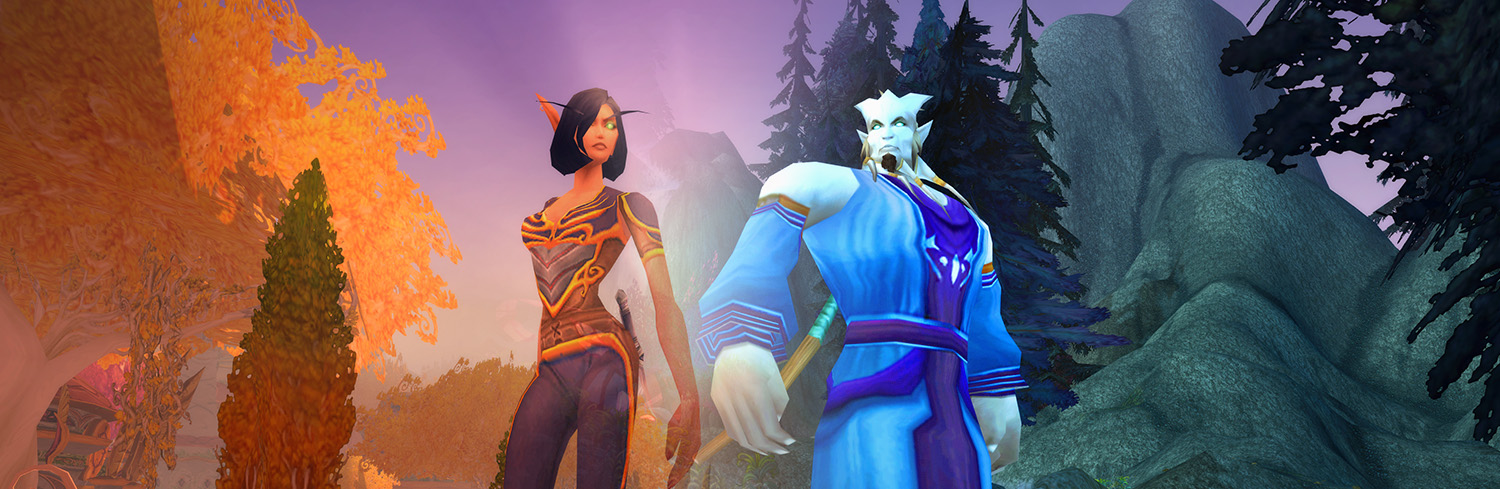
Welcome to your comprehensive Burning Crusade Classic leveling guide! With the level cap raised to 70, players now have ten more levels to conquer than in Classic WoW — and with those extra levels comes a new journey through Outland. From Hellfire Peninsula to Shadowmoon Valley, this guide will help you level effectively and enjoyably, whether you’re questing solo, grinding mobs, running dungeons, or teaming up with friends.
We’ll cover:
Leveling methods and when to use each
Tips for combat, recovery, and travel efficiency
Zone progression recommendations for both Alliance and Horde
Class‑specific leveling strategies
Gear, consumable, profession, and quality of life tips
Let’s dive in!
Leveling Improvements in Burning Crusade Classic

Compared to Classic WoW (1–60), TBC Classic adjusts the leveling experience to feel smoother and more rewarding:
✔ Reduced XP required from level 20–60
✔ Increased quest XP between levels 30–60
✔ Many formerly elite quests/mobs are now non‑elite
✔ Additional quest hubs added throughout Azeroth
✔ Mount training available at level 30 (down from 40)
✔ Mount cost and riding training significantly reduced
These changes make the leap from 60 to 70 less grindy and more enjoyable, but it’s still a journey that rewards smart planning and pacing.
Leveling Methods in TBC Classic
There are four major ways to level your character — each with strengths and weaknesses:
1. Questing
Questing is the backbone of leveling in TBC.
Pros:
Naturally paced and flexible
Grants XP, gold, gear, and quest rewards
Lets you level professions alongside your character
Cons:
Can be inefficient without careful routing
Some quests require grouping
Travel time between objectives can slow you down if unoptimized
2. Dungeon Leveling
Running dungeons consistently can provide big XP boosts.
Pros:
Excellent XP and gear drops
Rewards better gear than many quests
Great for grouping with friends or guildies
Cons:
Requires organization and reliable parties
Queues or random group inefficiencies can slow progress
You sometimes out‑level content before it becomes efficient
Dungeon tip: Always complete the associated dungeon quests once — they often reward gear equal to (or better than) the dungeon drops.
3. Grinding (Mob Farming)
Grinding is killing mobs repetitively in a densely populated area.
Pros:
Provides constant XP
Good for classes that excel at solo kills
Useful when quests slow down
Cons:
Mind‑numbing over long sessions
Gear gains are limited
Can become crowded on popular servers
4. Boosting
Boosting involves having a higher‑level player help you level via dungeon clears or mob kills.
Pros:
Fastest leveling method
Great for catching up after a late start
Cons:
Often requires in‑game gold or real money
Loss of immersion and self‑paced progression
Best approach: A mix of these — questing as your primary method, supplemented by dungeon runs and occasional grinding — will keep your leveling fun and efficient.
Questing Essentials: Combat, Recovery & Travel
Progress in TBC isn’t just about killing enemies — it’s about killing time efficiently.
Combat Duration
Combat duration is how long it takes you to defeat mobs — and staying powerful along the way matters:
✔ Learn your class rotation
✔ Invest in offensive cooldowns
✔ Upgrade weapons and spells often
✔ Choose specs that increase kill speed
Classes with good burst damage (like Hunters, Mages, and Shadow Priests) tend to have easier time efficiency early on.
Recovery Time
In TBC Classic, recovery time — the period you spend regenerating health/mana between fights — matters a lot.
Tips:
Bring plenty of food and water
Level First Aid to craft bandages — indispensable for avoiding long regen waits
Wear gear with Spirit to boost out‑of‑combat regen
Plan your pulls — avoid over‑pulling to minimize downtime
Good recovery management alone can shave hours off your leveling time.
Travel Time
Travel time is the silent XP drain of Classic WoW.
Do this to cut it down:
✔ Pick up multiple quests before traveling
✔ Use flight paths strategically
✔ Set your Hearthstone to a central quest hub
✔ Group objectives in the same zone whenever possible
Addons like Questie or ClassicCodex are lifesavers for visual quest routing and objective tracking.
Zones to Level In (60–70)

Once you hit 60, the world of Outland opens up. Below are the recommended zones based on your level, along with optimal transitions.
Outland Leveling Zones (60–70)
| Level Range | Zone | Notes |
|---|---|---|
| 58–62 | Hellfire Peninsula | Starting point for most players |
| 61–64 | Zangarmarsh | Safe zone with excellent quest density |
| 62–66 | Terokkar Forest | Central hub with solid XP & flight paths |
| 64–66 | Nagrand | Excellent flow + flying quests |
| 65–68 | Blade’s Edge Mountains | High XP, mid‑to‑late progression |
| 67–70 | Netherstorm | Great for late levels |
| 67–70 | Shadowmoon Valley | Beautiful zone with great rewards |
Follow this progression:
Hellfire → Zangarmarsh → Terokkar → Nagrand → Blade’s Edge → Netherstorm/Shadowmoon
This path provides smooth XP curve and lots of quest overlap, minimizing travel and downtime.
Quests You Should & Shouldn’t Do
Not all quests are created equal — and some are not worth your time while leveling.
Quest Colors & What They Mean
Use these to decide what to pick up or skip:
| Quest Color | Meaning | Should You Do It? |
|---|---|---|
| Red | Way above your level | Skip until later |
| Orange | Slightly above level | Consider with group |
| Yellow | Around your level | Do these first |
| Green | Slightly below your level | Good XP, easy |
| Gray | Too low level | Skip — minimal XP |
Rule of thumb: Only do quests roughly within your level bracket. Red and gray quests slow you down without meaningful reward.
Solo vs Group Experience
Group experience gains behave differently than solo XP.
Group XP example (mobs):
Solo: 100 XP
2 players: 50 XP each
3 players: ~39 XP each
4 players: ~33 XP each
5 players: ~28 XP each
Quest turn‑ins always give full XP to everyone in a group, making grouping valuable even if mob XP is split.
Best practice:
Group for tough quests and dungeons — the faster clear speed often outweighs the XP split.
Grinding in TBC Classic
Grinding is killing mobs in a focused area for XP.
Good grinding spots are:
Areas with high mob density
Places where mobs reset quickly
Spots where mobs also drop lucrative loot
Grinding pairs well with questing: kill while travelling toward objectives — it mitigates travel time losses.
Professions & Leveling
Professions can supplement your cooldowns, gear, and gold while leveling.
Secondary Professions
First Aid: Absolute must — bandages speed everything up.
Fishing & Cooking: Food helps you regenerate without downtime.
Primary Professions
Gathering: Mining, Herbalism, Skinning — good gold while leveling
Crafting: Tailoring, Blacksmithing, etc. — harder to level mid‑journey but rewarding at level 70
Tip: Pick up gathering early to earn gold while you level. Swap to crafting once you hit higher levels if that’s your goal.
Leveling Gear & Consumables
Gear matters — especially in TBC where stats scale significantly.
✔ Melee prioritize weapon DPS and strength/agility
✔ Casters prioritize spell power and intellect
✔ Use potions regularly (healing/mana)
✔ Check Auction House for affordable upgrades
Consumables are your friend:
Food & water for recovery
Bandages from First Aid
Scrolls or elixirs from alchemists
These reduce downtime and make combat smoother.
Mounts & Riding Skills (TBC Classic)

Mounts drastically cut travel time.
Level 30:
Apprentice Riding (60% ground)
Costs ~42s 75c (training + mount)
Level 60:
Journeyman Riding (100% ground)
Mount cost ~700g
Level 70:
Expert Flying (280% air) — ~5200g
Always save gold early for mounts!
Bag Space, Hearthstone & Tracking
Bags
Start with a 16‑slot bag — get bigger ones ASAP. More bag space means less vendor travel.
Pro Tip: Adding a Battle.net Authenticator increases your default bag from 16 → 20 slots.
Hearthstone
Reset your hearthstone to central quest hubs after big quest pushes to save time.
Tracking
Use minimap tracking for:
Flightmasters
Inns
Quest objectives
Gathering nodes (Herb/Mine)
Avoid clutter — toggle only what you need.
Rested Experience
Logging out in an inn or city builds rested XP, giving:
200% bonus XP from mob kills
Rested XP builds faster while logged out — aim to log out in inns/rest areas to accrue it.
Conclusion: Make Your Journey Count
Leveling in Burning Crusade Classic is a marathon of exploration, strategic routing, and character mastery. Whether you’re questing, grinding, dungeoneering, or grouping up — a smart path and efficient habits lead to faster progress and more fun along the way.
Remember:
- Mix questing with dungeons & grinding
- Use recovery and travel optimization
- Track your rested XP and bag space
- Save gold for mounts & consumables
Enjoy the journey from 60 to 70 — and may your adventures in Outland be rewarding and unforgettable!