Tempest Keep: The Eye Raid Guide in TBC Classic Anniversary
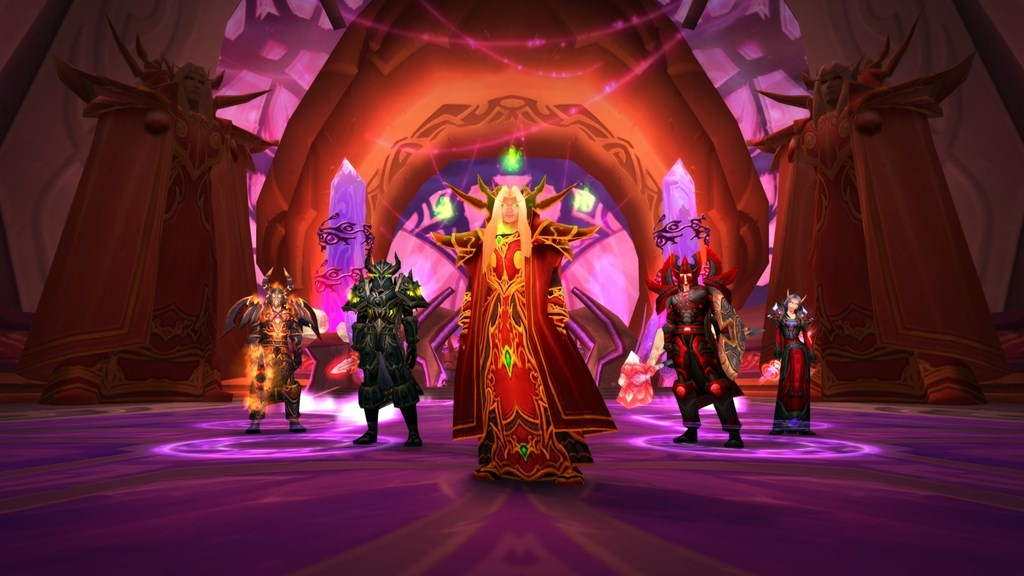
If you are heading into Tempest Keep: The Eye in TBC Classic Anniversary, the raid may look short on paper.
It is not easy.
The Eye opened with Overlords of Outland on May 14, 2026, it is a 25-player raid in Netherstorm, and it has four bosses with no optional skips. That means every mistake matters, especially once you reach Kael’thas Sunstrider.
In this guide, you’ll learn:
- where The Eye is
- how attunement works
- what to bring before raid night
- how each boss works
- and which loot actually matters
TL;DR — The Eye Quick Overview
- The Eye is a 25-player Phase 2 raid in eastern Netherstorm.
- The raid has 4 bosses, and none are optional: Al’ar, Void Reaver, High Astromancer Solarian, and Kael’thas Sunstrider.
- Entry still follows the classic Tempest Key attunement flow, though Anniversary Edition made raid attunements account-wide once done on one character.
- The Eye drops Tier 5 shoulder and chest tokens, with Kael’thas dropping higher item-level loot than the rest of the raid. Ashes of Al’ar also drops from Kael’thas.
Simple rule:
The raid is short, but the final boss is the real wall.
Where Is Tempest Keep: The Eye
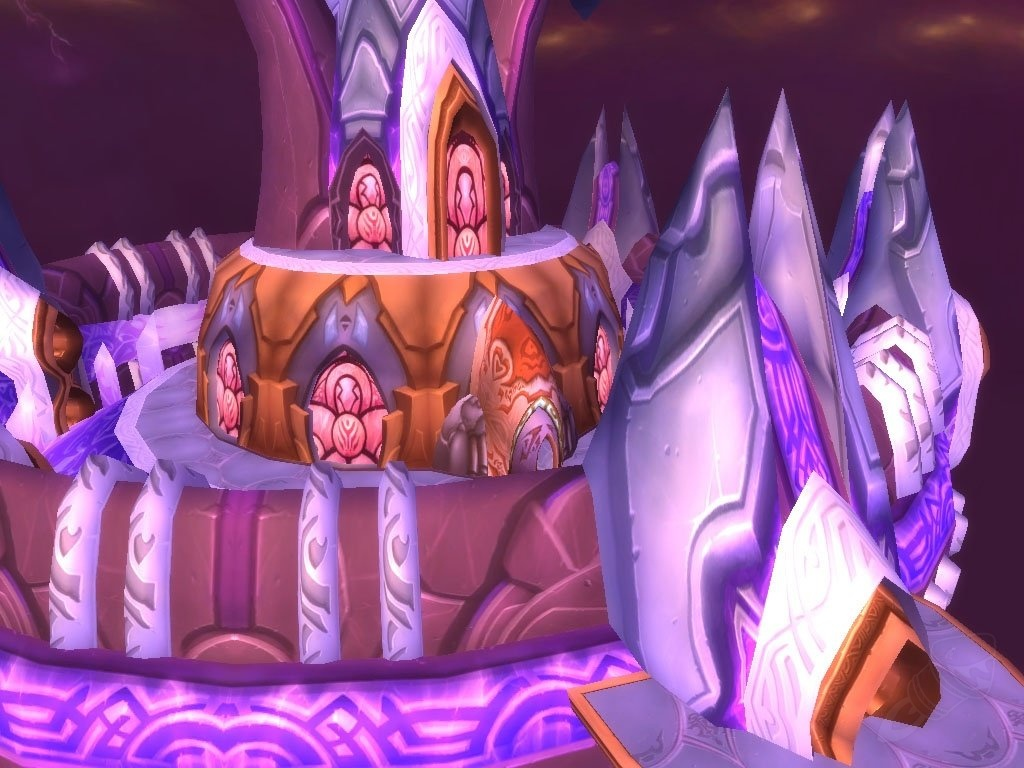
The Eye is located in the east of Netherstorm.
The raid entrance sits on the largest central floating island of Tempest Keep, and reaching it requires flying or a summon. The nearest flight master is Harpax in Cosmowrench at /way 65.2 66.8.
So before raid time, make sure everybody can actually get there.
That sounds obvious, but it wastes more pulls than it should.
Do You Need Attunement for The Eye?
Yes.
The Eye still uses the classic Tempest Key progression chain. The chain begins after completing The Cipher of Damnation in Shadowmoon Valley, then moves into The Tempest Key and the four Trials of the Naaru, ending with Magtheridon.
The short version looks like this:
- finish The Cipher of Damnation
- go to Khadgar
- pick up The Tempest Key
- complete Trial of the Naaru: Mercy
- complete Trial of the Naaru: Strength
- complete Trial of the Naaru: Tenacity
- kill Magtheridon
- turn in for The Tempest Key
In Anniversary Edition, attunements are account-wide, so once you finish the raid attunement on one character, your alts do not need to repeat the full raid unlock chain.
Raid Overview
The Eye is a linear raid.
Boss order is fixed:
- Al’ar
- Void Reaver
- High Astromancer Solarian
- Kael’thas Sunstrider
That matters because there is no shortcut around weak execution.
If your raid cannot handle one boss cleanly, the next one usually punishes you even harder.
Raid Preparation Before You Zone In
The Eye is not a consumable check in the same way later raids are, but it still rewards clean prep.
Before you zone in, make sure you have:
- full attunement sorted
- your raid roster locked
- flying or summons organized
- standard raid consumables
- clean assignments for interrupts, tank swaps, and phase responsibilities
The reason prep matters so much here is simple: The Eye is mechanically denser than it looks, and Kael’thas is one of the most demanding raid bosses in Burning Crusade progression.
The Eye Loot Overview
The Eye is one of the core Tier 5 raids, and its loot matters a lot for Phase 2 progression.
Shoulder and chest Tier 5 tokens drop here, with token groups split like this:
- Champion: Paladin, Rogue, Shaman
- Defender: Warrior, Priest, Druid
- Hero: Hunter, Mage, Warlock
One more important detail:
Kael’thas Sunstrider drops higher item-level gear than the rest of the raid, and he is also the source of Ashes of Al’ar.
That is a big reason why even geared groups keep farming this raid.
Boss Guide — Al’ar
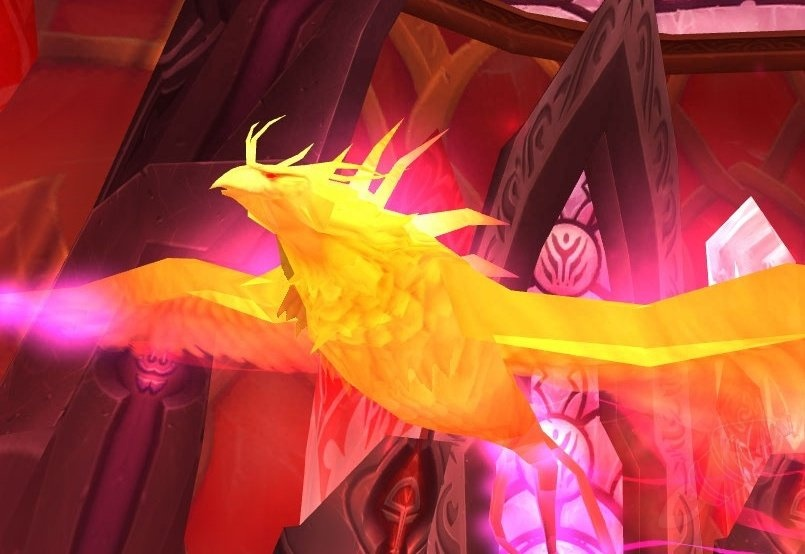
Al’ar is the first boss, but it is not a free opener.
This fight has two phases, heavy platform movement in Phase 1, and punishes weak positioning fast. Core mechanics include Flame Quills, Melt Armor, Dive Bomb, and add pressure from embers in Phase 2.
The easiest way to think about Al’ar is this:
- control the platforms cleanly in Phase 1
- do not lose melee uptime when movement happens
- manage tank swaps properly when armor pressure builds
- keep calm when Dive Bomb starts creating chaos in Phase 2
Most early Al’ar wipes are not about damage.
They come from messy movement and late reactions.
Boss Guide — Void Reaver
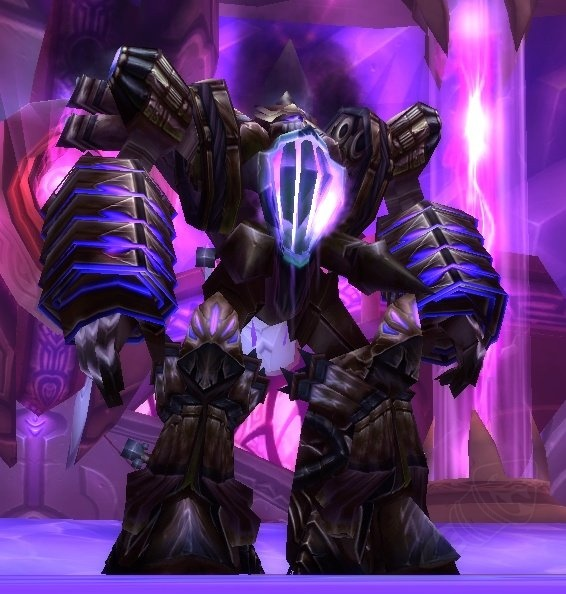
Void Reaver is the classic “looks easy, wipes bad raids” boss.
Main mechanics are:
- Arcane Orb
- Pounding
- Knock Away
The core strategy is very simple:
- tank him in the middle
- spread ranged players around the room
- move away from incoming orbs
- manage tank threat correctly after Knock Away
The fight is less about complexity and more about discipline. A raid that respects spacing and threat will usually kill this boss without drama. A raid that gets lazy will wipe to mechanics that look embarrassingly simple on paper.
Boss Guide — High Astromancer Solarian
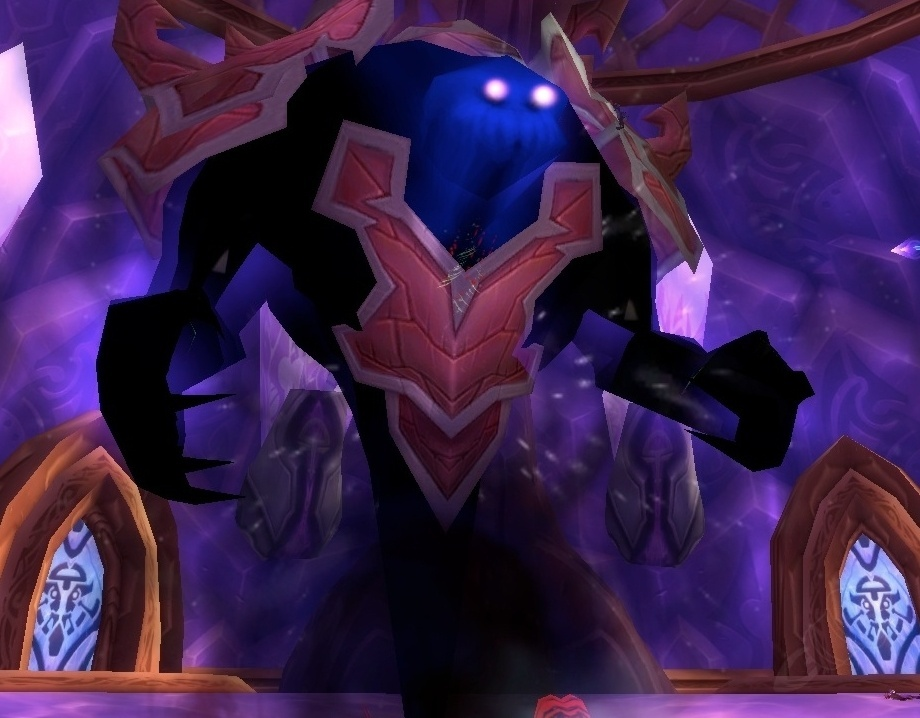
High Astromancer Solarian is where the raid starts feeling more like real progression.
She brings heavy Arcane pressure, raid movement checks, and add control. The encounter shifts between Solarian herself, add phases, and a later transformation phase that changes the pace of the fight.
The cleanest way to approach Solarian is:
- stay controlled
- do not panic during add pressure
- respect burst damage windows
- keep positioning clean so healing does not collapse
This is one of those fights where sloppy raids make the fight feel much harder than it really is.
If your raid stays calm, Solarian becomes much more manageable.
Boss Guide — Kael’thas Sunstrider
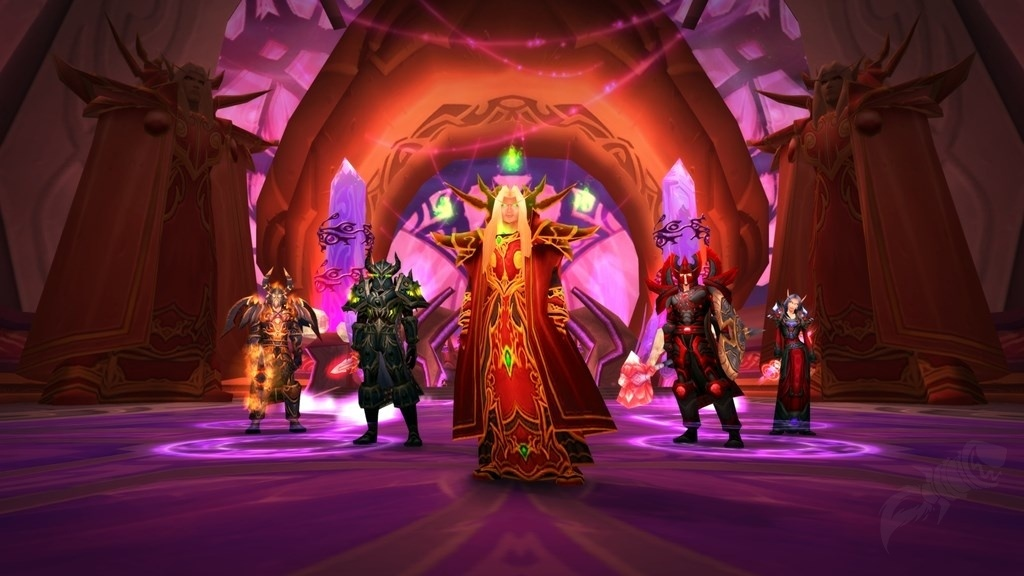
Kael’thas is the real raid boss.
He is the fourth and final encounter in The Eye, and the fight is famous because it has five phases, a full council of advisors, a weapon phase, major role assignments, and one of the most complex progression structures in TBC raiding.
The phase flow is:
Phase 1 — Advisors one by one
You fight the four advisors separately. This is where positioning discipline starts mattering immediately.
Phase 2 — Legendary weapons
Kael’thas releases seven powerful weapons that must be defeated. This phase is about target priority, loot distribution awareness, and not wasting control.
Phase 3 — Advisors together
All four advisors return together. This phase is where weak assignments usually expose the raid.
Phase 4 — Kael’thas active
Now the real Kael’thas fight begins, including Mind Control, Phoenix, and Pyroblast pressure.
Phase 5 — Gravity Lapse
This is the famous finale. The raid must stay calm, stay alive, and not throw the fight at the last moment.
The most important thing about Kael’thas is this:
most wipes happen in transitions, not because the raid lacks DPS.
The fight is won by assignments, communication, and not panicking when the encounter changes shape.
Best Raid Order and Progression Expectations
The Eye is linear, but each boss tests a different part of your raid.
- Al’ar tests movement and tank coordination
- Void Reaver tests raid discipline
- Solarian tests control and healing stability
- Kael’thas tests everything at once
That is why this raid feels shorter than SSC, but not necessarily easier.
The learning curve is sharper.
Biggest Mistakes Groups Make in The Eye
These are the most common ones:
Treating it like the easy Phase 2 raid
The Eye is shorter, but that does not make it forgiving.
Showing up without attunement sorted
The Tempest Key chain is still a real entry gate, especially for your first character.
Weak tank coordination
This shows up hard on Al’ar and Void Reaver.
Poor discipline on Solarian
This fight punishes raids that lose control during transitions and add pressure.
Bad Kael’thas assignments
If your phase plan is unclear, Kael’thas becomes chaos very quickly.
Who Should Farm The Eye Every Week
The Eye is worth farming every week if you are:
- pushing Tier 5 progression
- chasing Kael’thas higher item-level loot
- farming Ashes of Al’ar
- building Phase 2 raid consistency for your guild
Even once the raid feels stable, its loot remains relevant for a long stretch of TBC progression.
Want Faster TBC Classic Progress?
If you want to speed up your TBC Classic Anniversary progression, Mythic-Store.com can help with:
- raid progression
- attunement support
- dungeon runs
- general WoW services
Use coupon code BLOG10 for a discount.
Final Thoughts
Tempest Keep: The Eye is one of the most important raids in TBC Classic Anniversary Phase 2.
It is not long, but it is punishing.
If your raid is prepared, knows the phase flow, and treats Kael’thas like the progression wall he really is, the raid feels clean and rewarding. If your group underestimates the mechanics, even the early bosses can start costing you time.
The simplest formula is:
- sort your attunement
- enter prepared
- respect each boss
- stay organized on Kael’thas
- farm the loot every week
That is the cleanest way to get value out of The Eye.
FAQ
Where is Tempest Keep: The Eye in TBC Classic Anniversary?
It is in eastern Netherstorm, with the raid entrance on the largest central floating island of Tempest Keep. You need flying or a summon to reach it.
Do you need attunement for The Eye?
Yes. The classic raid entry chain still uses The Tempest Key, which starts after The Cipher of Damnation and ends after the Trials of the Naaru and Magtheridon. In Anniversary Edition, attunements are account-wide after your first completion.
How many bosses are in The Eye?
There are 4 bosses, and none are optional: Al’ar, Void Reaver, High Astromancer Solarian, and Kael’thas Sunstrider.
What Tier 5 tokens drop in The Eye?
The Eye drops Tier 5 shoulder and chest tokens. Token groups are Champion for Paladin/Rogue/Shaman, Defender for Warrior/Priest/Druid, and Hero for Hunter/Mage/Warlock.
Does Kael’thas drop Ashes of Al’ar?
Yes. Ashes of Al’ar drops from Kael’thas Sunstrider.
Which boss is the hardest in The Eye?
For most groups, it is clearly Kael’thas Sunstrider because of his five-phase encounter, advisor structure, weapon phase, and transition-heavy mechanics.