 WoW Retail: Midnight
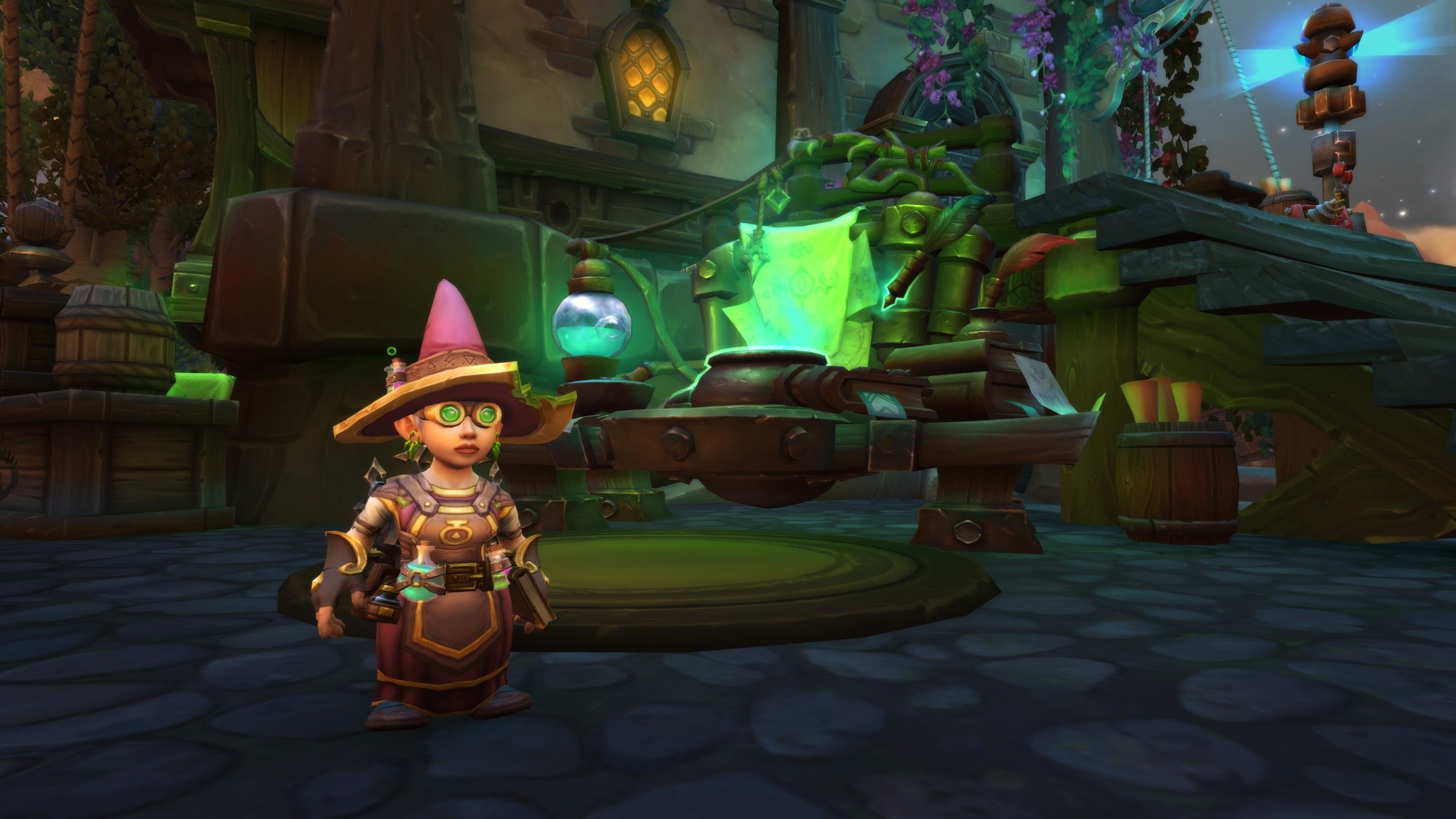
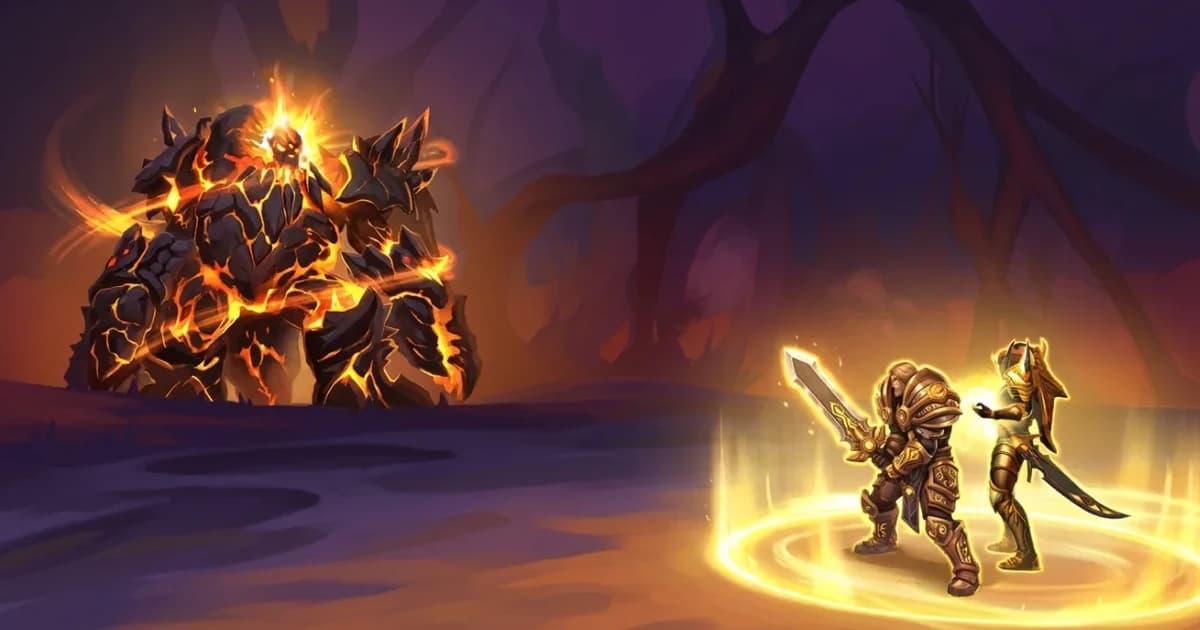
Talebound is a co-op roguelite action RPG with three entirely new classes, playable from the WoW game menu, set in its own world, and requiring no extra purchase. It arrives with Patch 12.1.7: Echoes of the Worldcore and is on the PTR now.
Two questions come up constantly about this mode and most coverage leaves both hanging. Answering them first, because they decide whether you care:
Can you play it with friends? Yes. Tales can be run solo or in a group.
Do you have to play it to keep up in Midnight? No. Every reward is cosmetic — mounts, transmog, companions and housing decor, all Warbound across your Midnight account. Nothing in Talebound makes your main stronger. You are not behind if you skip it.
With that settled: there are six mounts in here, which is a lot for a side mode, and that's the real reason collectors will be playing it.
Quick Reference
What it is | Co-op roguelite action RPG, separate from the main game |
Cost | None — included, no new purchase |
How to open it | The Game Menu. The store is also on the character selection screen |
Characters | New ones, from three Talebound-only classes |
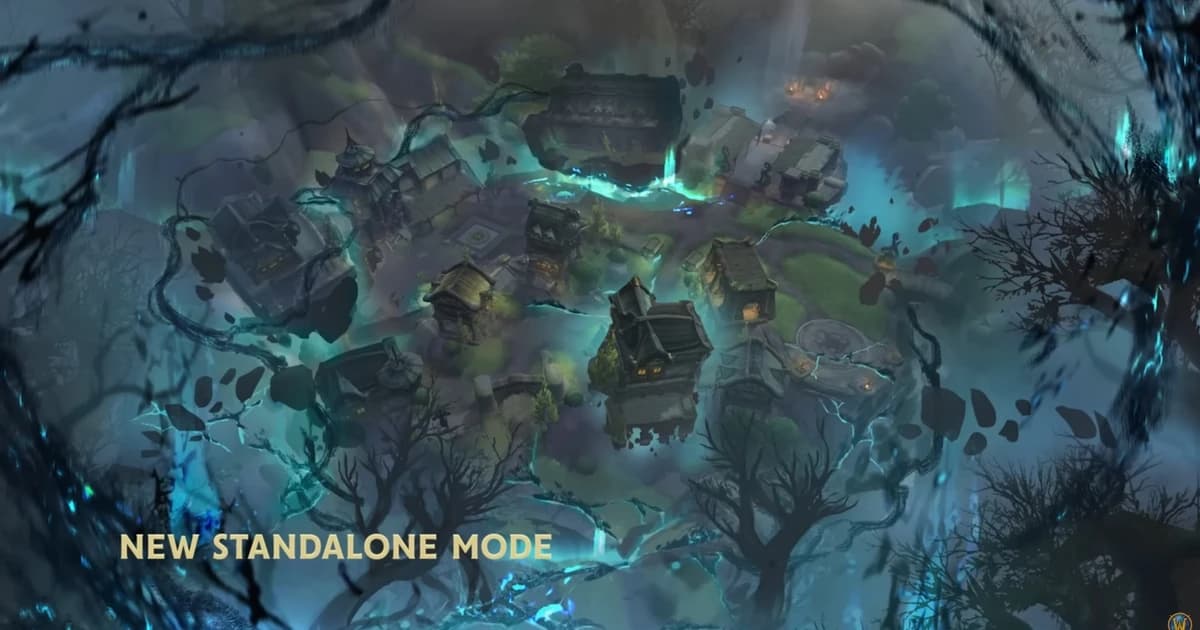
Hub | Quillgrave, a Drust-flavoured village |
Tales at launch | 4, with 9 bosses between them |
Currencies | Ducats (in-run power) and Bound Silver (cosmetics you keep) |
Rewards | 6 mounts, 10 transmog pieces, 4 companions, housing decor |
Release | With Patch 12.1.7 — date unconfirmed, expected around December 2026 |
The Three Classes
All three can double jump, dodge and guard. This is action-game movement with a dodge button, not WoW's tab-target combat. Each class gets six abilities and its own set of talents.
Here's what each kit actually suggests about how the class plays — which is more useful than the one-line descriptions, because two of the three don't play the way their description reads.
Slayer — Sword and Gun
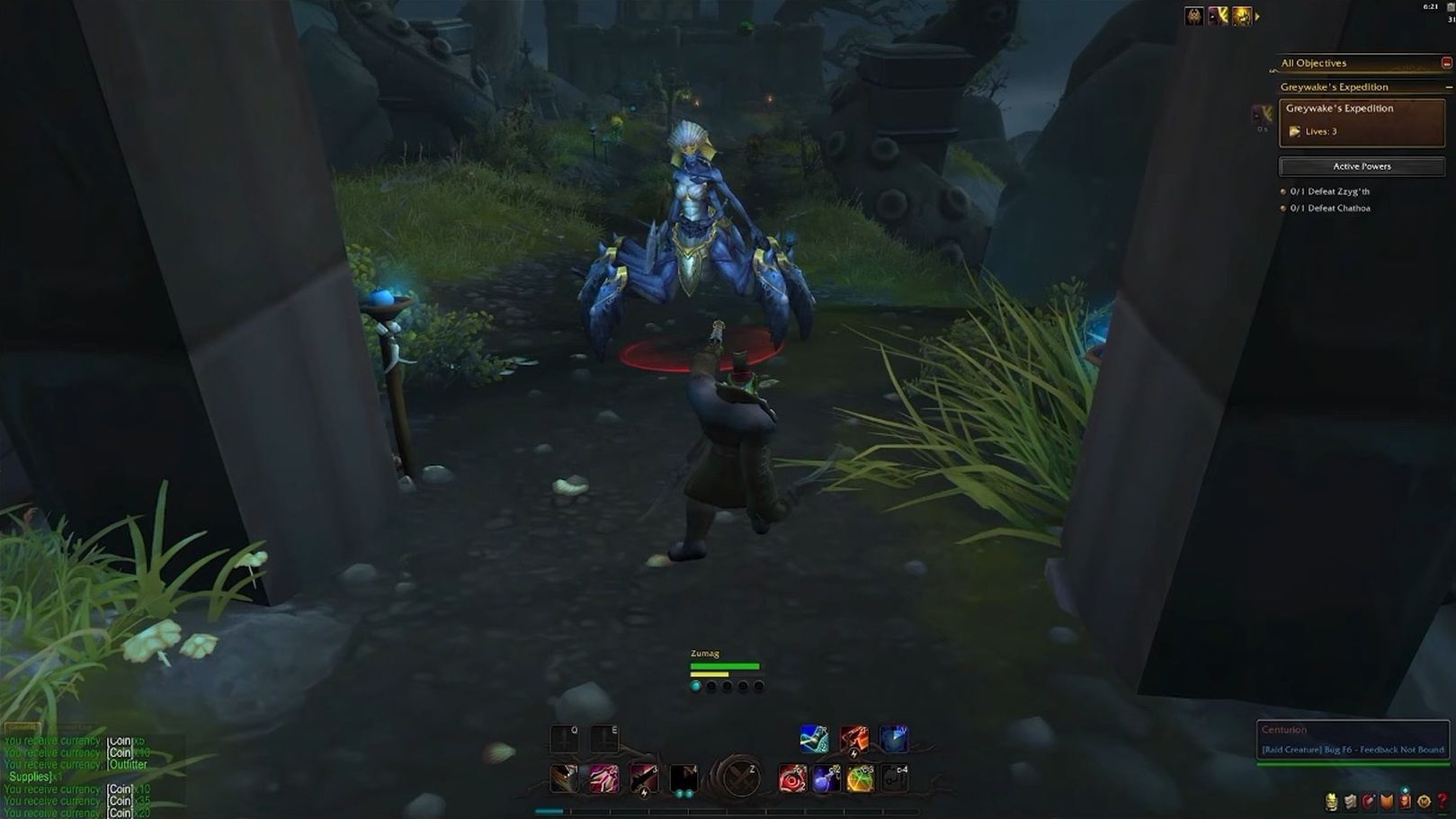
Abilities: Slash · Explosive Shot · Minefield · Shrapnel Round · Throwing Knives · Silver Bolt
The description says melee and gun. The kit says something different. Five of the six abilities are ranged or explosive — only Slash is a melee attack. And Minefield is an area-denial tool, which is a zoner's ability, not a duellist's.
Our read: Slayer is a ranged zoning class with a melee finisher, not a sword-first bruiser. You lay down mines and explosives, control space, and use Slash to clean up what reaches you. If you came looking for a greatsword class, this probably isn't it.
Inquisitor — Light
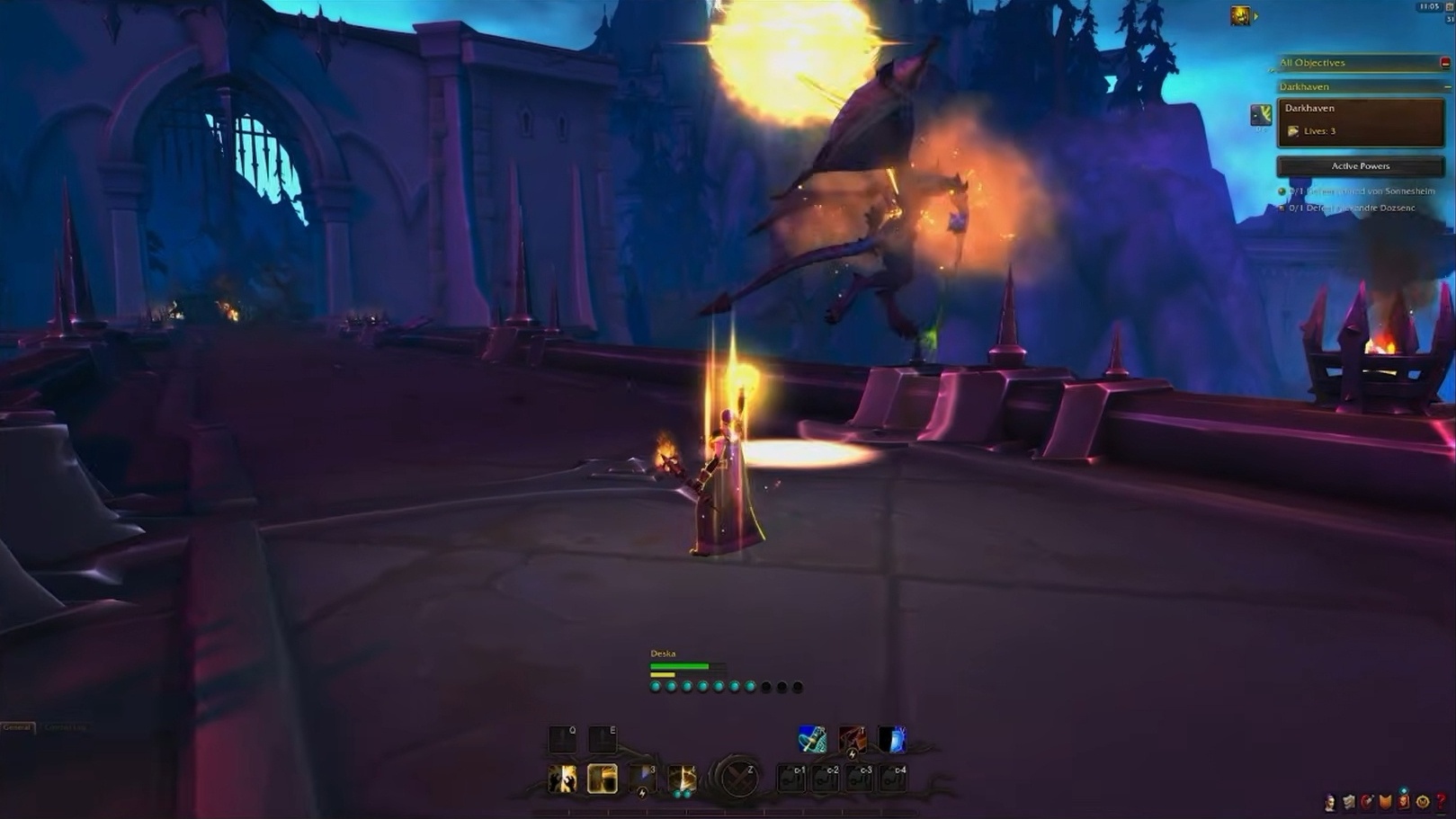
Abilities: Purify · Condemn · Denounce · Light's Wrath · Rapture · Radiant Burst
Purify and Rapture stand out in a damage-heavy list — both read as cleansing and sustain rather than output. Everything else is direct Light damage.
Our read: Inquisitor is the durable, self-sustaining class — the one that can recover mid-run rather than relying purely on potions. In a roguelite, where one bad room ends a run, sustain is worth more than raw damage.
If this is your first roguelite, start here.
Witch — Natural Forces, Familiars, Shapeshifting
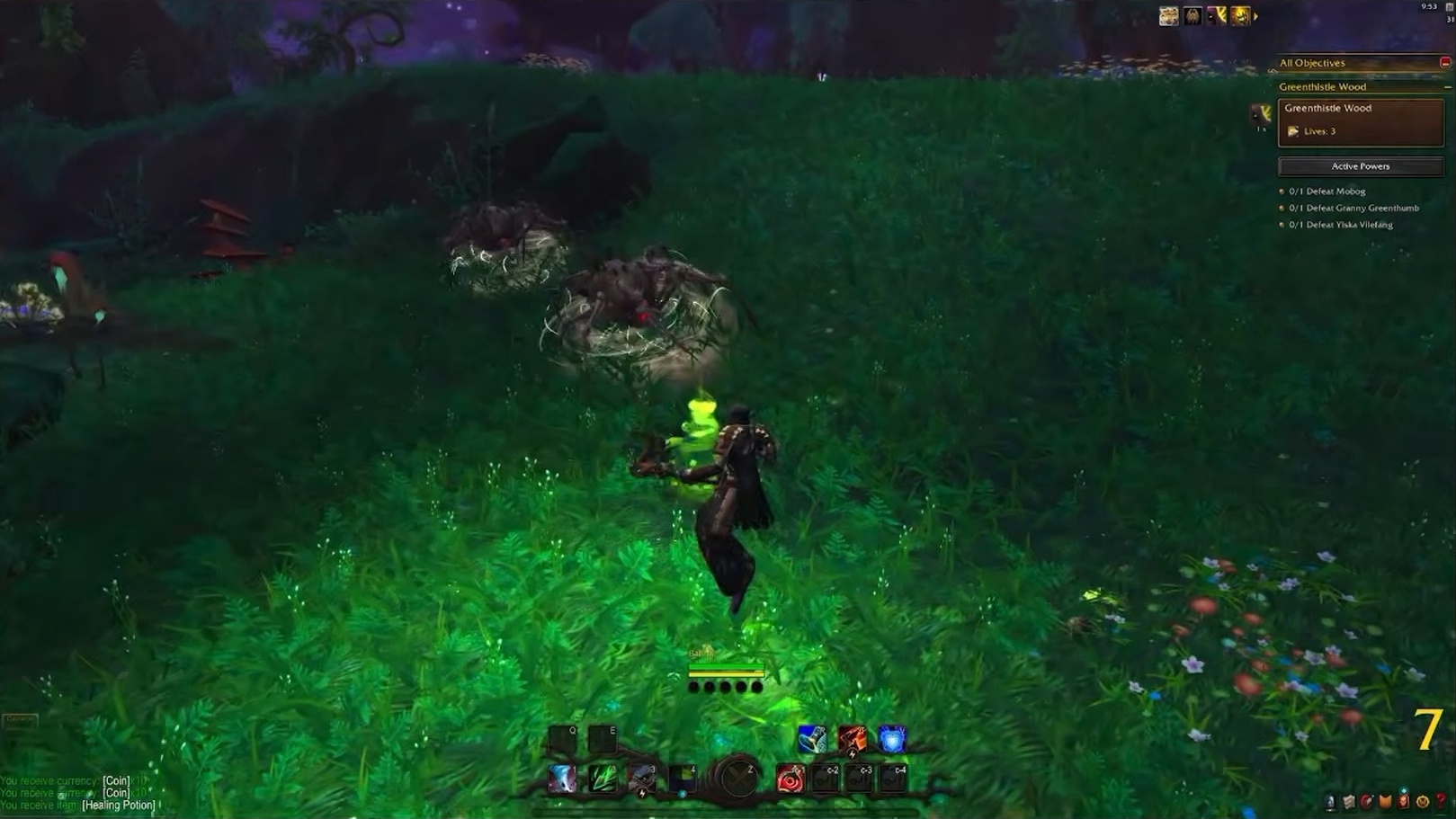
Abilities: Brewing Storm · Bubbling Cauldron · Feline Communion · Winter Spiders · Moonlight Ravens · Thorns
Look at what these are: Cauldron, Spiders, Ravens, Thorns and Storm are all persistent effects — things you place or summon that keep working after you've cast them. There's barely a direct nuke in the list.
Our read: Witch is a minion and zone-control class. You set up the battlefield and let your summons and hazards do the damage while you reposition. Highest complexity of the three, and the one with the most build variety, because persistent effects stack and interact.
Which Class Should You Pick?
If you want… | Pick |
|---|---|
The most forgiving first run | Inquisitor — sustain covers mistakes |
Space control and explosives | Slayer |
Summons, hazards and build depth | Witch |
The highest skill ceiling | Witch |
One caveat worth stating: these ability lists come from Blizzard's pre-release blog and are explicitly subject to change before launch. The reads above are based on what the kits suggest, not on tested gameplay.
How a Run Works
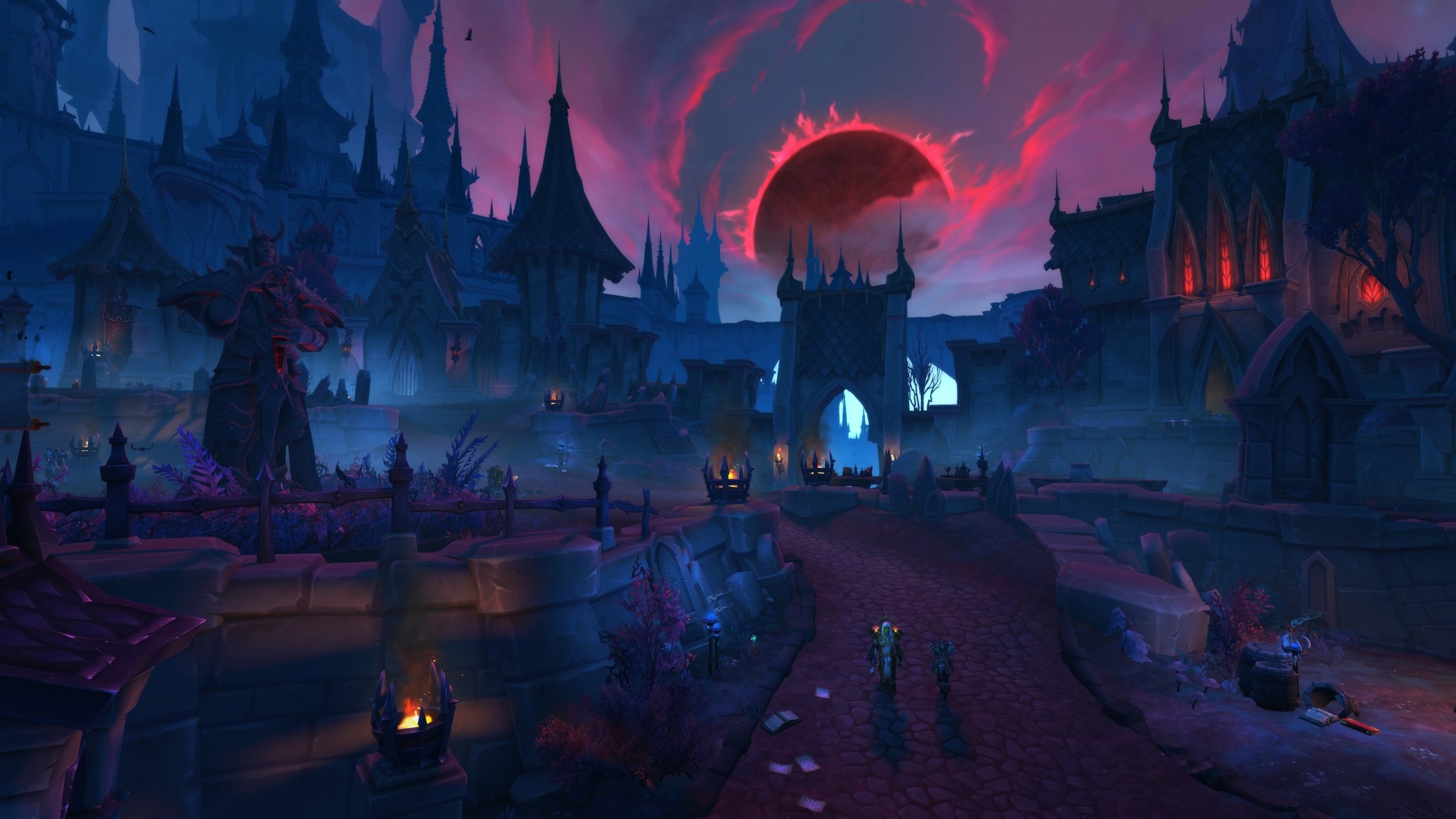
You start in Quillgrave, where the Storyteller offers tales to play through. Each tale is a themed set of levels containing enemies, puzzles, treasure and bosses. Complete it and you return to Quillgrave with your rewards.
Between runs, four NPCs in Quillgrave are your meta-progression. Understanding what each does — and in what order to spend — is the difference between climbing and spinning your wheels.
NPC | What They Provide | What It Is, in Roguelite Terms |
|---|---|---|
Outfitter | Improvements to starting health, damage, energy and focus | Your permanent power floor. Every point here makes every future run easier |
Scribe | Talents that modify your abilities | Your build variety. This is where runs start feeling different from each other |
Antiquarian | Passive abilities | Run modifiers — passives that change how a tale can be approached |
Arcanist | Potions, draughts and flasks found during tales | Consumables. Spent per run, not permanent |
Spend Priority
Standard roguelite logic applies, and it's worth stating plainly because it's counter-intuitive the first few hours:
Outfitter first. Flat increases to starting health and damage compound across every run you will ever do. Raising your floor is always worth more early than adding options.
Scribe second. Once you can reliably survive a tale, ability talents are what make the mode interesting and let you build toward a strategy.
Antiquarian third. Passives that change your approach matter once you know what the tales demand.
Arcanist as needed. Consumables are the per-run top-up, not an investment.
Spending early Ducats on potions feels productive and is the slowest way to progress. Buy stats first.
Nib Runs the Store
Nib in Quillgrave operates the Talebound store, which is where your Bound Silver goes. You can also reach the store from the character selection screen or the Game Menu — so you can browse and buy without loading into the mode at all.
The Four Tales and Nine Bosses
Tale | Bosses |
|---|---|
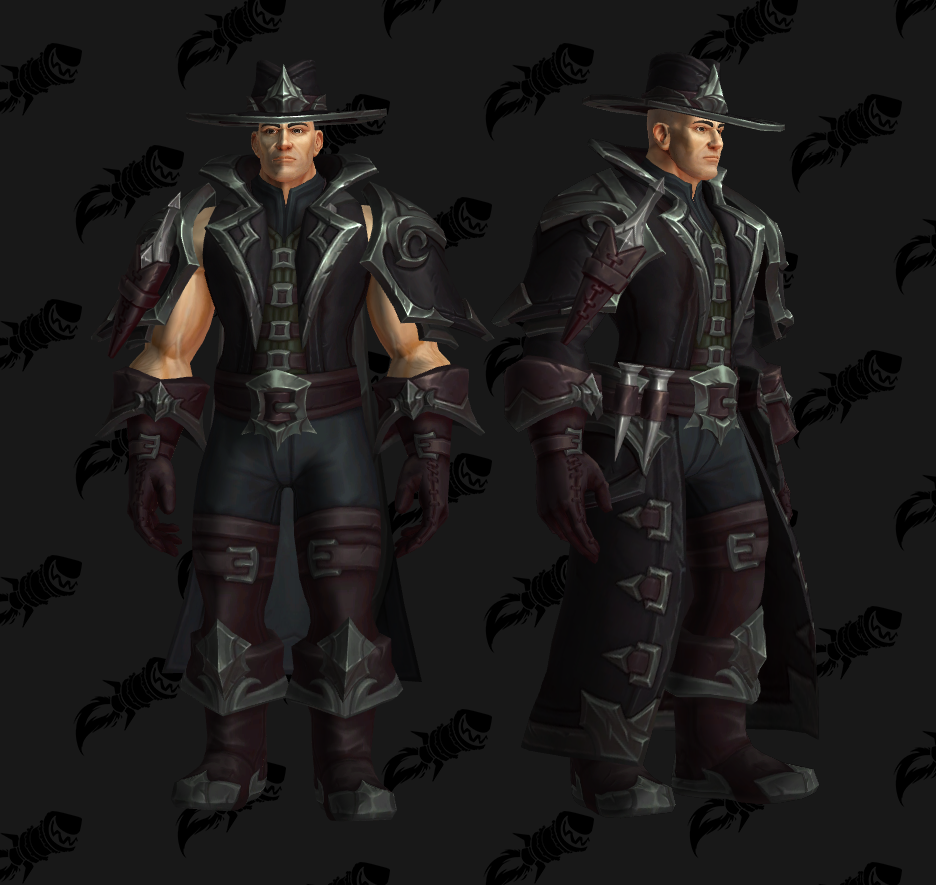
Darkhaven | Konrad von Sonnesheim (The Lord Marshal) · Alexandre Dozsenc (The Blood Bishop) |
Greenthistle Wood | Granny Greenthumb · Ylska Vilefang · Mobog (The Giant of Greenthistle) |
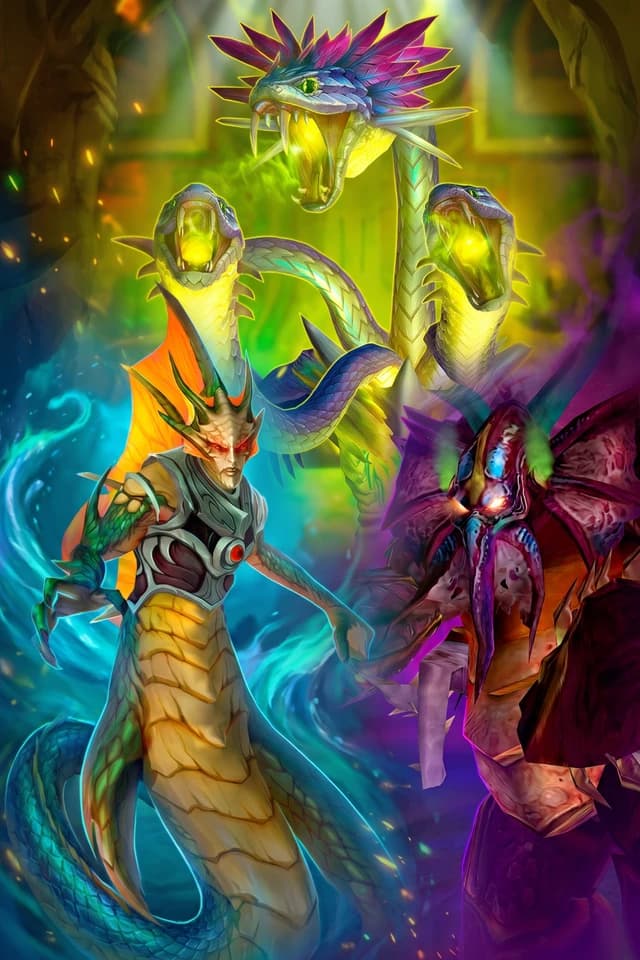
Greywake's Expedition | Zzyg'th (the Hadal Tyrant) · Chathoa (the Herald from Beyond) |
Grove of the Night Court | Tilywth (The Fairy Queen) · Maernok (The Nightmare King) |
Four tales, nine bosses, four distinct themes — gothic Darkhaven, a fairytale wood, a deep-sea expedition, and a fae court. Greenthistle Wood is the only tale with three bosses, which suggests it's either the longest or structured differently from the other three.
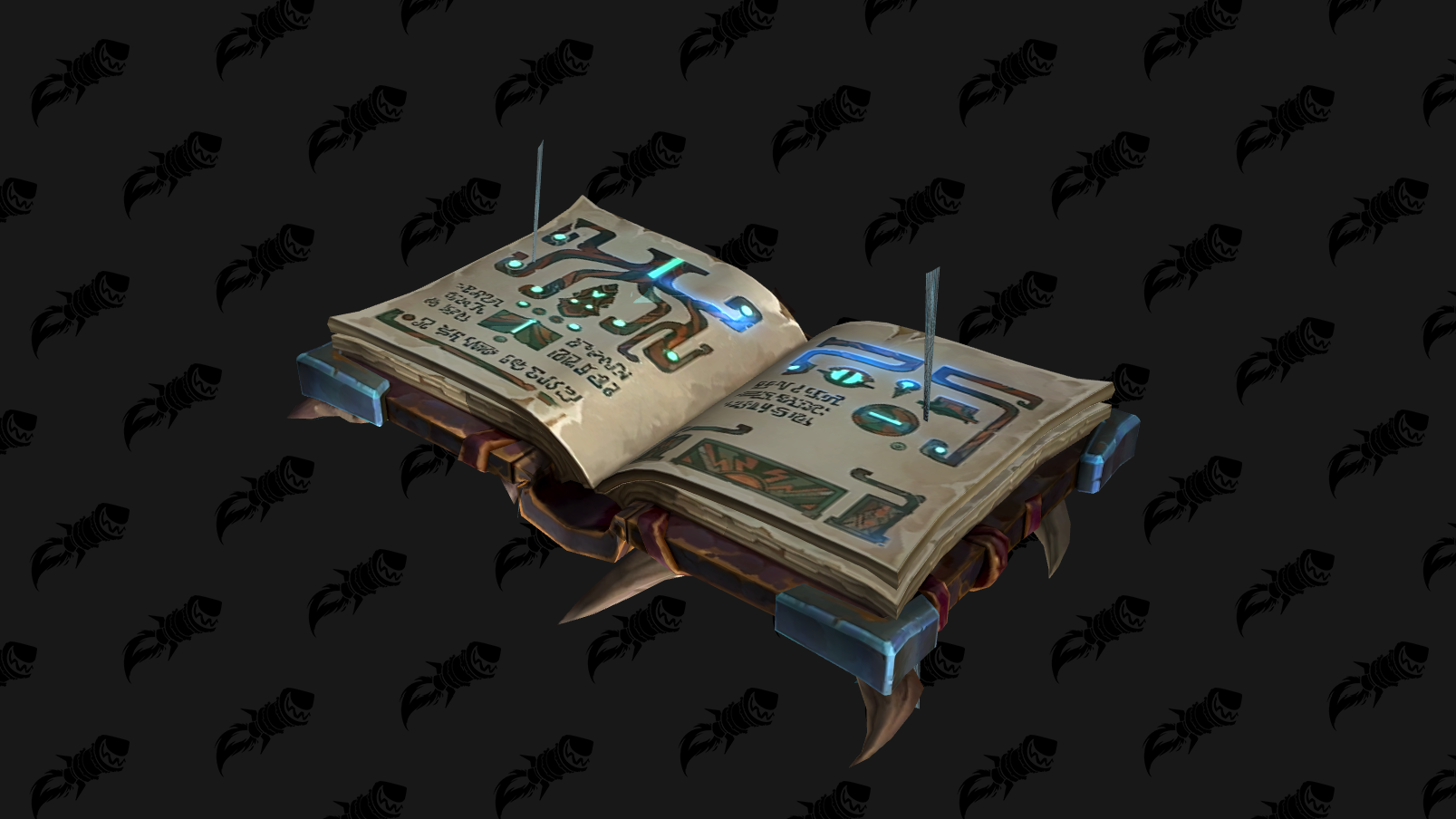
The naming is doing something deliberate: these are fairytales rather than Warcraft lore. Talebound isn't a continuation of the Midnight campaign; it's a storybook with its own cast.